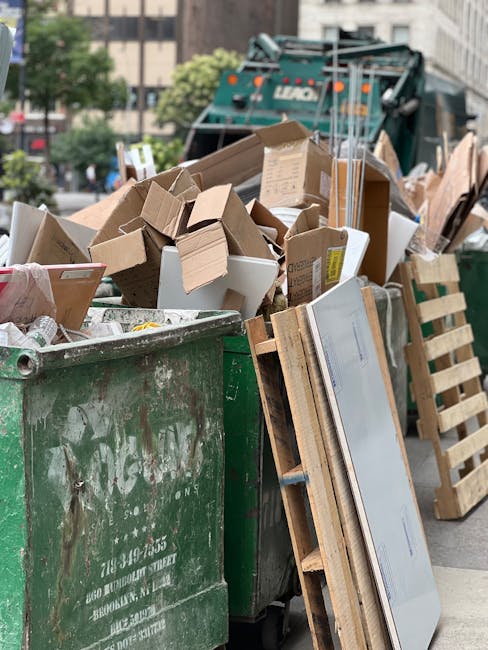
Business rubbish clearance Tulse Hill office and shop collections
Posted on 09/08/2026
If you run a shop, manage an office, or look after a small commercial unit in Tulse Hill, rubbish builds up faster than most people expect. One week it is cardboard and packaging; the next it is broken shelving, old office chairs, unwanted stock, or a stubborn pile of mixed waste by the back door. Business rubbish clearance Tulse Hill office and shop collections is really about keeping that mess under control without disrupting trading, staff, or customers.
Done properly, it is simple, tidy, and surprisingly stress-reducing. Done badly, it turns into blocked access, trip hazards, unhappy neighbours, and that awkward feeling of having "just one more bag" sitting around for days. In this guide, we will walk through how commercial clearances work, what to expect, where businesses often slip up, and how to make the whole thing smoother from the start. You will also find a checklist, a comparison table, and some practical advice drawn from real-world jobs rather than theory.

Contents
- Why business rubbish clearance matters
- How the collection process works
- Key benefits and practical advantages
- Who this service is for
- Step-by-step guidance
- Expert tips for better results
- Common mistakes to avoid
- Tools, resources and recommendations
- Law, compliance and best practice
- Options and comparison
- Case study example
- Practical checklist
- Conclusion
- Frequently asked questions
Why Business rubbish clearance Tulse Hill office and shop collections Matters
Commercial premises generate waste in a way domestic homes usually do not. Offices create paper, packaging, old IT equipment, chairs, desks, and general clutter from day-to-day operations. Shops, meanwhile, often need clearance for stock overflow, display fixtures, damaged goods, transit packaging, and periodic refurbishments. It all adds up, and quickly.
In a busy London area like Tulse Hill, where access can be tight and footfall matters, waste left outside too long can become more than an inconvenience. It can affect customer perception, make staff movement awkward, and create a poor first impression before anyone has even stepped through the door. Let's face it: people notice the bin area. They just do.
There is also the practical side. A cluttered workspace slows people down. Staff waste time moving around piles, making space for deliveries, or searching for equipment that has been shoved aside. A clear-out can improve daily flow in a way that feels small at first, then suddenly very noticeable.
For businesses looking to keep standards up, it is also worth understanding the wider service picture. A proper clearance often sits alongside broader commercial and domestic waste services, plus responsible disposal and recycling routes. That matters because not all rubbish is just "rubbish." Some items need separation, some need careful handling, and some should never be mixed together in the first place.
Expert summary: For office and shop collections, the best outcomes usually come from planning the load, separating reusable items, and choosing a provider that can work around trading hours without causing disruption.
How Business rubbish clearance Tulse Hill office and shop collections Works
The process is usually more straightforward than many business owners expect. A good clearance starts with a quick assessment of what needs removing, how much there is, where it is located, and whether anything requires special handling. That assessment can be done from photos, a site visit, or a short description if the job is fairly simple.
From there, the collection is scheduled around your needs. For an office, that might mean early morning so staff arrive to a clear space. For a shop, it may mean after closing time or during a quiet trading window. The timing matters more than people think. A badly timed clearance can feel chaotic, even if the removal itself is efficient.
On the day, the team usually loads the waste directly, sorts what can be separated for recycling, and clears the area so you are not left with half-finished piles. If there are bulky items such as reception desks, shelving, filing cabinets, or redundant shop fittings, these are often removed in sections to avoid damage to walls, floors, or door frames. A good team moves with a bit of care, not just muscle.
After collection, the waste should be taken to the appropriate transfer or recycling route rather than dumped or "sorted later" in some vague way. If you are comparing providers, this is one of the most important questions to ask. You want a clean result, yes, but also a responsible one.
Typical waste handled in office and shop clearances
- Cardboard, packaging, shrink wrap, and transit materials
- Desks, chairs, shelving, and storage units
- Display fixtures and light shop fittings
- Mixed rubbish from stockroom or back-office clear-outs
- Small electricals and redundant equipment
- White goods or appliances where relevant
- Bagged general waste from refurbishments or relocations
If your clearance includes furniture-heavy items, it can help to look at a dedicated furniture removal service as part of the plan. If old appliances are involved, a specialised appliance disposal option may be the cleaner route.
Key Benefits and Practical Advantages
The obvious benefit is space. Once the clutter goes, rooms feel bigger, easier to navigate, and less mentally heavy. That is especially true in small offices and compact retail units, where every square metre counts. A room that looked cramped under stacked boxes can feel usable again within an hour or two.
There is a business benefit too. A tidy workplace is simply easier to run. Deliveries are easier to receive, staff can move without dodging obstacles, and customers see a more professional setup. For shops, this can subtly support the buying experience. For offices, it can improve morale. Nobody enjoys working in a corner buried under old promotional material and broken chairs.
Another advantage is speed. Compared with doing it all in-house, a professional clearance can save hours of labour, vehicle hire, and the usual "who can take this?" discussion that seems to happen whenever a business tries to clear out on its own. One person starts loading a van; another disappears to find tape; someone else realises the lift is too small for the filing cabinet. You know the scene.
There can also be environmental and reputational benefits if items are sorted for reuse or recycling. If your business values sustainability, choosing a service with a clear recycling approach is a sensible move. You may want to review the company's approach to recycling and sustainability before booking, particularly for large or mixed loads.
Who This Is For and When It Makes Sense
This service is not just for dramatic "everything must go" moments. In practice, it helps a lot of ordinary businesses at ordinary times. A local shop may need a quick clear-out after a refit. A small office may need old desks removed before new furniture arrives. A lease ending? That is another classic trigger. So is a stockroom that has quietly turned into a storage maze.
It makes sense when you want the work handled in one go rather than stretched over several staff shifts. It also makes sense when the waste is bulky, mixed, or awkward. If the idea of lifting a chipped desk down a narrow stairwell makes everyone groan, that is usually the point where outside help starts to look very sensible.
We often see the service used by:
- Independent retailers
- Offices and co-working spaces
- Estate agents and small professional practices
- Cafes and hospitality venues with back-of-house clutter
- Property managers handling commercial units
- Landlords preparing a vacant office or shop for new tenants
If the job is linked to a wider move or property change, these pages may also help: house clearance support for mixed possessions, or Brixton property market insights if you are thinking about how location and unit turnover affect commercial planning.
Step-by-Step Guidance
If you want the process to run smoothly, a little preparation goes a long way. Here is the practical version, not the glossy brochure version.
- Sort the waste by type. Separate general rubbish, cardboard, reusable items, electricals, and anything that might need special handling.
- Identify priority items. Decide what must go first, especially if there are access issues or trading-hour limits.
- Take photos. Good photos of the load, entrance, stairways, or parking constraints help with planning and pricing.
- Check access. Make sure there is a clear route from the waste area to the collection point. A locked back gate or narrow corridor can slow things down more than you think.
- Book a suitable time. Early morning, lunchtime, or after closing are common choices for offices and shops.
- Confirm what is included. Ask whether labour, loading, recycling, and disposal are all covered in the quote.
- Prepare staff. Let employees know what is being removed so there is no accidental loss of useful stock or files.
- Do a final walk-through. Check cupboards, under desks, stockrooms, and behind counters. Those forgotten bits are usually where the odd surprises live.
If you are planning the work around customer opening times, one practical trick is to mark out "do not move" items with tape or a sign. It sounds obvious. In real life, that one bit of tape can save a lot of awkwardness.
Expert Tips for Better Results
After enough office and shop clearances, a pattern emerges. The smooth jobs tend to have a few things in common: good access, clear instructions, and no last-minute guessing. That is the boring answer, but it is also the true one.
Tip 1: Keep a separate pile for reusable items. Sometimes shelving, furniture, or even display pieces have a second life. Reuse is simpler when those items are not buried under mixed rubbish.
Tip 2: Tell the crew about awkward pieces early. A wobbly cabinet, a heavy printer, or a narrow staircase can change the loading plan. No one likes surprises halfway through lifting.
Tip 3: If you manage several sites, batch the waste. One tidy collection per site is usually easier than making repeated small calls. Fewer interruptions, fewer loose ends.
Tip 4: Ask how recyclable materials are handled. Even if your waste is mixed, a provider with a proper sorting approach can often divert a good portion away from landfill.
Tip 5: For businesses with recurring waste, set a routine. Weekly, fortnightly, or monthly collections often work better than crisis-mode clear-outs every few months. Less drama. Much less.
And a small human note: in our experience, the best jobs often start with one careful photo of the mess and a clear sentence like, "We need this cleared before Tuesday." That clarity helps everyone.

Common Mistakes to Avoid
Most problems are avoidable, which is the annoying part. The same mistakes keep appearing, and they are usually less about waste and more about planning.
- Leaving the booking too late. If you need a deadline met, waiting until the final day is a gamble.
- Mixing useful stock with rubbish. That happens more than people admit. A quick label check can prevent it.
- Assuming all waste is handled the same way. Some items need different disposal routes, especially electricals and bulky equipment.
- Ignoring access issues. Narrow entrances, parking restrictions, and stair-only access all affect the job.
- Not checking the provider's credentials. If a company is handling commercial waste, compliance matters. More on that in a moment.
- Choosing only by price. The cheapest option is not always the cheapest once delays, damage, or poor disposal are factored in.
A slightly messy office can be fixed. A badly planned clearance that blocks trade for a day is a different story. Best to avoid that headache entirely.
Tools, Resources and Recommendations
You do not need a complex toolkit for a basic business clearance, but a few simple items help enormously:
- Strong bin bags for loose waste
- Labels or sticky notes for items to keep
- Marker pens for box marking
- Tape for securing drawers or cupboard doors
- A phone camera for quick inventory photos
- Basic gloves if staff are moving light items before collection
For businesses doing a broader tidy-up, a little planning document helps. Even a plain spreadsheet with columns for "keep," "remove," "recycle," and "unsure" can stop confusion. Nothing fancy. Just useful.
If your office clear-out is part of a larger reorganisation, you may also find ideas in creative ways to organise your home office. And if your business sits within a local neighbourhood setting where timing and access matter, the article on advice on living in Brixton offers useful context on the everyday rhythm of the area.
Law, Compliance, Standards, or Best Practice
Commercial waste should be handled carefully. In the UK, businesses have a duty to make sure waste is passed to a legitimate carrier and disposed of properly. You do not need to become a compliance expert, but you should ask sensible questions before booking. Who is taking the waste? Is the company licensed where required? How is the waste handled afterwards? Those are fair questions, not fussy ones.
For peace of mind, many businesses choose providers that are open about their processes and paperwork. A sensible starting point is to review details about waste carrier licence and compliance. It is also worth checking practical protections such as insurance and safety, especially when removal involves heavy lifting, stairs, or access through customer areas.
Best practice also includes protecting the business itself:
- Keep records of what was removed if it matters for auditing or tenancy handover.
- Separate hazardous or specialist items before the clearance day.
- Make sure staff understand what should stay and what should go.
- Use a provider that can explain recycling routes in plain English.
If you are comparing providers, the small print matters too. Helpful references include pricing and quotes, terms and conditions, and payment and security. These pages help set expectations before anyone is on-site, which is always the easier way round.
Options, Methods, or Comparison Table
There is more than one way to clear a business property. The right option depends on urgency, volume, access, and whether you need staff disruption kept to a minimum.
| Option | Best for | Pros | Trade-offs |
|---|---|---|---|
| Ad hoc manual clear-out | Very small amounts of light waste | Low immediate cost, flexible timing | Takes staff time, awkward for bulky items, easy to mismanage |
| Scheduled commercial collection | Regular office or shop waste | Predictable, tidy, suited to ongoing operations | Less suited to one-off bulky clearances |
| One-off business rubbish clearance | Refits, relocations, closures, stockroom resets | Fast, efficient, handles mixed items and bulk | Requires good planning and clear access |
| Specialist item removal | Furniture, appliances, or bulky objects | Better handling for large or awkward pieces | May need multiple services if the load is mixed |
In many real jobs, the best answer is a mix. For example, a retail shop might use a general clearance for packaging and stockroom waste, plus a dedicated furniture or appliance removal for the heavier pieces. That combination is often cleaner and more efficient than trying to squeeze everything into one awkward process.
Case Study or Real-World Example
A small shop in Tulse Hill needed a clearance after reorganising its back room and changing its display layout. The main issue was not the volume of waste so much as the mix: flattened packaging, old shelving, a few damaged display units, and a pile of items that had been moved three times already and somehow still had nowhere to live. The team also had to keep the front of shop clear because foot traffic stayed steady throughout the day.
The solution was simple but well planned. The shop separated reusable stock and paperwork first, flagged the bulky fittings for removal, and booked a collection outside peak trading hours. The removal itself took place in one controlled visit, which meant the front room stayed calm and staff did not spend the morning improvising around boxes. By lunchtime, the place felt open again. Brighter too, oddly enough.
What made the difference? Preparation. Not fancy preparation. Just the kind that stops everybody from asking, "Where does this go?" every ten minutes.
That is usually the real story with business clearances. The job is rarely glamorous, but a clean end result changes the whole feel of the space.
Practical Checklist
Use this quick checklist before booking your collection:
- Have you identified exactly what needs removing?
- Have you separated keep items from waste?
- Are there any electricals, appliances, or specialist items included?
- Is access clear for loading and parking?
- Have you chosen a collection time that avoids disrupting trade?
- Do staff know what is being removed?
- Have you checked the provider's compliance and insurance information?
- Do you know how recycling or reuse will be handled?
- Have you asked about pricing, payment, and what is included?
- Have you done one last sweep of cupboards, stockrooms, and under desks?
Quick reminder: one small label can save one big mistake. It really can.
Get a free quote today and see how much you can save.
Conclusion
Business rubbish clearance Tulse Hill office and shop collections are at their best when they do one thing well: make a working space feel workable again. Whether you are clearing a stockroom, an office floor, a back office, or a shop unit after a refit, the outcome should be the same - less clutter, less stress, and a smoother day-to-day operation.
The key is not to wait until waste becomes a problem you can no longer ignore. A clear plan, a sensible provider, and a bit of advance sorting usually turn a messy job into a straightforward one. And honestly, that is a relief in itself.
If you are standing in a room full of old furniture, packaging, and "we'll deal with that later" items, you are probably closer to a clean reset than you think. Small first step, big difference. That is often how it starts.