Brixton Market bulky rubbish removal after market day
Posted on 27/08/2026
Brixton Market Bulky Rubbish Removal After Market Day: A Practical Local Guide
If you trade, stall, manage a unit, or help with cleanup around the market, you already know the feeling: the crowds thin out, the chatter fades, and then the real job begins. Brixton Market bulky rubbish removal after market day is the part most people do not see, but it makes a huge difference to safety, presentation, and how smoothly the next trading day starts.
In a busy London market setting, bulky waste piles up quickly. Broken display items, cardboard, packaging, damaged stock, old furniture, and the odd awkward item can turn a tidy pitch into an obstacle course by late afternoon. This guide explains how the process works, what to expect, who needs it, and how to handle it properly without making a mess of the pavement or the timetable. You will also find a checklist, a comparison table, and some straightforward tips from real-world experience. No fluff. Just the useful bit.
Expert summary: the best post-market clearance plans are the ones that are simple, timed well, and built around safe lifting, legal disposal, and quick turnaround. If you can get those three things right, the rest is much easier.
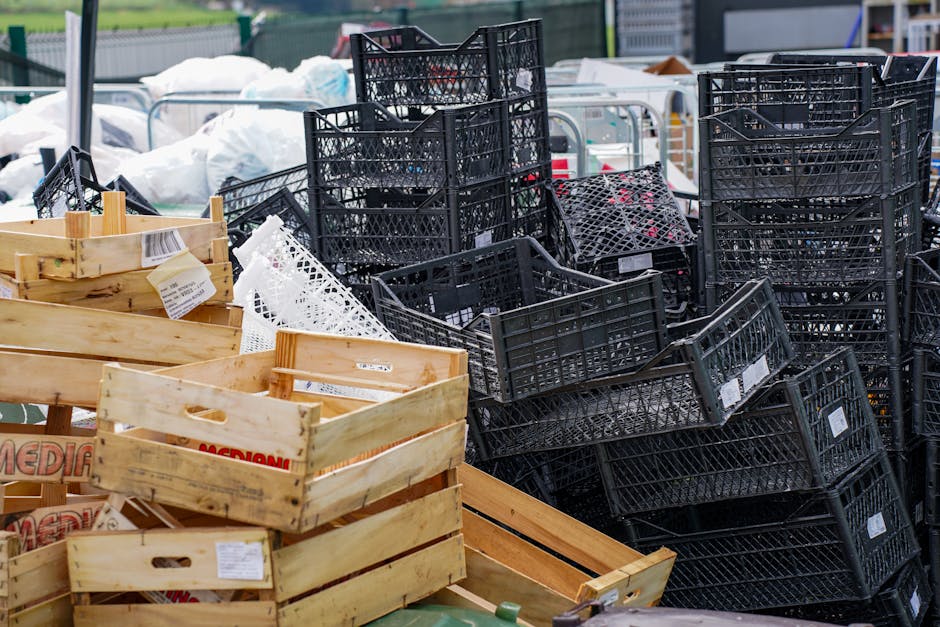
Why Brixton Market bulky rubbish removal after market day Matters
Markets are fast-moving environments. They are full of temporary setups, deliveries, foot traffic, spillages, stacked containers, and all the practical chaos that comes with selling in a lively neighbourhood. By the end of the day, bulky waste is more than an eyesore. It can block access, trip staff, attract complaints, and slow down the clear-up for everyone else.
In Brixton, that matters even more because the area is so active. People are moving through, eating nearby, heading home, or arriving for evening plans. The last thing anyone wants to see is a broken pallet, a collapsed box stack, or a chair with one leg hanging on by hope alone. Let's face it, one badly managed pile can make the whole pitch or frontage look neglected.
There is also a business angle. A clean finish after market day supports your reputation. Customers notice whether a stall is organised. Neighbours notice too. If your team clears efficiently, you look professional, you reduce the chance of complaints, and you set yourself up for a better start next time.
This also links naturally with wider local operations. If you run a mixed-use premises, you may find commercial waste clearance in Brixton useful for regular back-of-house rubbish, while larger one-off clean-ups may sit closer to the full range of waste services available for different types of premises.
How Brixton Market bulky rubbish removal after market day Works
The basic process is simple enough, though the details matter. After market trading ends, bulky items are separated from ordinary day-to-day waste. The goal is to keep recyclable materials apart where possible, gather everything safely, and arrange removal in a way that does not interfere with pedestrians, neighbouring traders, or transport access.
Usually, the workflow looks something like this:
- Identify what counts as bulky waste and what can be flattened, reused, or recycled.
- Bundle items so they are safe to handle and do not spread across the pavement.
- Move waste to a designated holding point where it will not obstruct access.
- Load items into an appropriate vehicle for disposal, recycling, or transfer.
- Make sure the final route and destination comply with normal waste-handling standards.
That last bit is where a lot of people go wrong. Bulky items are not just "big rubbish." They can include mixed materials, sharp edges, contaminated packaging, broken fixtures, and heavy objects that require proper handling. A chair frame, a bent metal stand, and a damaged display shelf all need a little more thought than a bin bag. Obviously, common sense helps, but so does having a process.
For traders who need a more structured answer, it can help to think of after-market clearance as a mini-logistics job. Not glamorous, but very useful. If you're also dealing with stockroom refreshes or front-of-house resets, appliance disposal in Brixton and furniture removal support can be relevant when old fixtures, fridges, or counters need moving out together.
Key Benefits and Practical Advantages
Good bulky rubbish removal is not only about getting things out of the way. It changes how the entire site feels and functions. Here are the main benefits that tend to matter most.
- Cleaner presentation: tidy surroundings improve how the market, stall, or frontage looks to the next wave of visitors.
- Safer access: fewer trip hazards and fewer awkward obstructions for staff, delivery teams, and passers-by.
- Less manual stress: one organised lift is better than five rushed trips with overloaded bags.
- Better recycling outcomes: separating wood, metal, cardboard, and reusable items usually leads to better disposal choices.
- Faster turnaround: the quicker the clear-up, the sooner you can reset and reopen without feeling behind.
- Reduced risk of complaint: in a busy area, keeping your space neat can save a lot of awkward conversations.
There is also the subtle benefit of morale. Staff tend to work better in a space that has been properly cleared. Nobody wants to start the next day stepping around the aftermath of the last one. A clean site just feels calmer. You notice it straight away, even before the kettle's boiled.
Practical takeaway: bulky waste clearance works best when it is treated as part of closing the market, not as an afterthought once everybody is already tired.
Who This Is For and When It Makes Sense
This kind of clearance is useful for more people than you might first think. It is not only for market managers. It can help any trader or business that ends the day with awkward, heavy, or mixed waste that cannot simply be folded into a normal bin routine.
It makes sense for:
- market stallholders with display materials, broken equipment, or damaged stock packaging
- food traders with crates, tubs, shelving, or worn-out back-of-house items
- pop-up retailers clearing temporary furniture or branded fixtures
- event teams removing stand materials after a market activation or promotion
- shopfront businesses nearby that accumulate bulky packaging after deliveries or same-day display changes
- landlords or property managers dealing with a one-off clear-out after a tenant, trader, or pop-up use
It also comes up when a market day has been unusually busy. You know the sort of day: more deliveries than expected, a broken table, a wet cardboard problem, and one item nobody quite wants to take home. That is when a planned removal is worth its weight in gold.
If your work also includes office reset tasks or stockroom organisation, you may find the advice in the home-office organisation guide surprisingly relevant, especially for thinking about storage, sorting, and keeping clutter from creeping back in.
Step-by-Step Guidance
If you want a smooth clear-up after market day, follow a simple sequence. A bit boring, maybe, but boring is good here.
1. Separate the waste before it piles up
As items come off the stall, sort them into broad groups: reusable, recyclable, bulky mixed waste, and hazardous or special items if any apply. Do not leave everything in one heap. Mixed piles slow the whole thing down and make disposal more awkward later.
2. Remove easy wins first
Flatten cardboard. Stack lightweight shelving. Keep screws, loose fixings, and sharp bits in a secure container. If something can be broken down safely, do it before it becomes a big lifting job. Small effort, big payoff.
3. Keep access routes clear
Do not block public walkways, doorways, or emergency access while you sort. In a market environment, that can quickly become a problem. A neat holding area is much better than an improvised mountain in the path of everybody else.
4. Decide what needs specialist handling
Some items are straightforward. Others are not. Broken glass, electrical items, bulky metal, contaminated materials, and mixed loads should be assessed before removal. If there is any doubt, pause and check rather than guessing. That tiny pause often prevents a much bigger mess.
5. Book removal at the right time
Timing matters. If the clearance is done too early, waste can build up again. Too late, and you're dealing with tired staff, less visibility, and more obstruction. The best time is usually once the main trading activity has finished and the site can be cleared with minimal disturbance.
6. Ask for the right vehicle and load plan
Bulky market waste does not always suit a one-size-fits-all approach. Think about volume, weight, access, and whether your items are mostly recyclable or mixed. A good plan avoids wasted journeys and awkward loading.
7. Confirm disposal and documentation
For commercial waste, make sure the handler is authorised to collect and dispose of the material properly. Good paperwork and clear communication are not paperwork for the sake of it; they are part of protecting your business.
For a broader sense of working with a compliant provider, the page on waste carrier licence and compliance is worth reading, and if you are checking how a provider handles safety, insurance and safety information can give useful reassurance.
Expert Tips for Better Results
After enough clear-ups, a few habits stand out. These are the details that save time and hassle.
- Label the waste zone before market close. Even a simple sign or taped-off area helps people place items consistently.
- Keep one person in charge of disposal decisions. If everyone is deciding, nobody is deciding.
- Use stackable containment where possible. Crates and tubs move cleaner than loose, awkward items.
- Schedule clearance before the last-minute rush. Once the team is exhausted, lift quality drops. It happens every time.
- Make recyclables visible. If cardboard and metal are mixed in with general waste, they often stay mixed. Funny how that works.
- Check the access route in advance. A vehicle can only help if it can actually reach you.
One of the most useful habits is to photograph the site before and after clearance. Not for social media, necessarily. More for records, accountability, and future planning. If a trader asks, "Did we really have that much?" the photo answers it faster than memory does.
Another smart move is to pair market-day clearance with your wider waste routine. For example, if your trading setup also includes storage changes, occasional stock swaps, or seasonal equipment turnover, your waste plan should reflect that. The broader recycling and sustainability approach can help make the whole thing less wasteful and more efficient.

Common Mistakes to Avoid
Most problems come from rushing, mixing waste types, or assuming bulky items can be left for someone else to deal with. That usually ends in delays or avoidable costs.
- Leaving waste in public view overnight: this creates obvious safety and appearance issues.
- Underestimating weight: a "small" metal frame can be heavier than it looks.
- Mixing everything together: that makes sorting and recycling harder later.
- Waiting until the next day to plan: by then, staff are already busy with opening tasks.
- Using the wrong removal method: not every load suits the same vehicle or collection style.
- Ignoring compliance: if the waste is commercial, it needs to be managed as commercial waste, not just dumped into a generic solution.
One easy-to-miss mistake is failing to separate reusable items. A slightly worn table, a good-quality shelf, or a working appliance may not need disposal at all. If you can pass items on or re-use them safely, that is often the cleaner choice. The tricky bit is remembering to decide that before the waste has already been mixed together. Happens all the time.
Tools, Resources and Recommendations
You do not need a warehouse full of kit, but a few basic tools make post-market bulky waste removal far easier.
- gloves with decent grip
- trolley or sack truck for heavier items
- strapping or rope for securing stacked items
- durable sacks for smaller mixed waste
- markers or labels for sorting
- basic cleaning tools for the final sweep-through
- a camera or phone for before-and-after records
For teams that routinely reset stalls or storefronts, a sensible internal process matters just as much as physical equipment. A quick site map, a named contact, and a fixed collection point can prevent a lot of confusion. If you manage a business with regular waste turnover, office and shop collection guidance for nearby business areas may also be useful reading, especially if you handle mixed commercial waste outside the market itself.
If you are comparing longer-term arrangements, take a look at pricing and quote information before making assumptions. Transparent pricing is especially helpful when you need to compare one-off clearances against repeat arrangements. And yes, the fine print matters too, so the terms and conditions are worth a proper read rather than a skim while half-eating a sandwich.
Law, Compliance, Standards, or Best Practice
For commercial and market-related waste, compliance is not optional. In plain English, you need to know who is taking the waste, whether they are authorised, and what happens to it after collection. Responsible operators should be able to explain their handling process clearly and without dodging the subject.
UK waste rules can be a bit dull to read, but the practical principle is simple: commercial waste must be handled properly, transferred to a legitimate carrier, and disposed of or recycled in line with standard expectations. If you are generating waste as part of trading, that responsibility does not disappear just because the day is over.
Best practice usually includes:
- keeping waste types separated where possible
- using a suitably licensed and insured carrier
- avoiding fly-tipping risks by checking the destination process
- keeping records where appropriate for business accountability
- training staff on safe lifting and site housekeeping
If a provider talks openly about compliance, insurance, and responsible disposal, that is a good sign. If they dodge those questions, that is your cue to keep looking. Trust your instincts here. They are usually right.
Options, Methods, or Comparison Table
Different post-market clear-up methods work better in different situations. The right choice depends on how much waste you have, how quickly it needs moving, and how mixed the load is.
| Method | Best for | Strengths | Limitations |
|---|---|---|---|
| Self-clearance | Very small volumes and simple waste | Immediate control, no booking delay | Time-consuming, physical effort, disposal risk if mishandled |
| Scheduled commercial collection | Regular trading waste and repeat patterns | Predictable, efficient, easy to build into routine | Less flexible for sudden bulky peaks |
| One-off bulky removal | After busy market days, refreshes, or clear-outs | Good for awkward loads, fast turnaround, less disruption | Requires clear access and decent pre-sorting |
| Mixed-site clearance | Markets with stockrooms, fixtures, and larger reset jobs | Covers multiple waste streams in one visit | Needs better planning and clear item lists |
For most people dealing with Brixton Market bulky rubbish removal after market day, one-off bulky removal is the sweet spot. It is fast enough to suit a trading schedule, but structured enough to handle awkward items properly. If the business has ongoing waste, then a combination of scheduled and one-off collections may be the sensible long-term answer.
Case Study or Real-World Example
Picture a typical Saturday close-down. A trader has cardboard from fresh deliveries, a cracked display shelf, a damaged folding chair, and a box of mixed packaging that has been sitting in a damp corner all day. Nothing dramatic. Just enough clutter to make the pitch feel unfinished.
Instead of leaving it to build up overnight, the team sorts the cardboard flat, separates the usable shelf from the broken one, bundles the chair safely, and keeps the packaging together for loading. The bulky items are moved to a clear point away from the customer route. The clearance team arrives after closing, loads the mixed waste efficiently, and leaves the frontage ready for the next morning.
The result? Less stress, fewer trips, no pile-up by the shutters, and a much cleaner start the next day. Not glamorous, but genuinely useful. And in a market setting, that really is half the battle.
In a nearby mixed-use scenario, the same thinking works for businesses that are reshaping their premises. If a trader is also updating a back room, the kind of practical planning described in business collection planning for shops and offices can be adapted neatly to market-side work. Different setting, same basic logic.
Practical Checklist
Use this quick checklist before and after market close.
- Identify all bulky waste before the end-of-day rush starts.
- Separate reusable items from items that must go.
- Flatten cardboard and bundle loose materials.
- Keep walkways, exits, and loading points clear.
- Check whether any item needs special handling.
- Confirm who is collecting the waste and when.
- Make sure the carrier is properly authorised and insured.
- Keep records or photos of the load if needed for business tracking.
- Do a final sweep for nails, broken glass, and stray packaging.
- Reset the space so the next day starts clean.
Quick reminder: if you are dealing with larger furniture, stockroom items, or fixtures, it may be worth looking at house and premises clearance support where appropriate, especially when the clear-up is bigger than a simple bin run.
Conclusion
Brixton Market bulky rubbish removal after market day is really about control: control of time, space, safety, and presentation. When the clear-up is planned properly, it stops being a stressful end-of-day scramble and becomes part of a smooth, professional routine.
The most reliable approach is also the simplest. Sort early, keep access clear, use the right disposal method, and work with a provider who understands commercial waste and compliance. That combination saves effort and avoids a lot of headaches later on. A clean market pitch does more than look nice. It tells people you care about the details. And in Brixton, people absolutely notice the details.
Get a free quote today and see how much you can save.
If you want to explore more background on local living and business context, the Brixton living advice article is a helpful next read, and it sits nicely alongside practical waste planning for the area.